Water-Wise Gardening: Xeriscaping and Drought-Tolerant Design
July 30, 2026
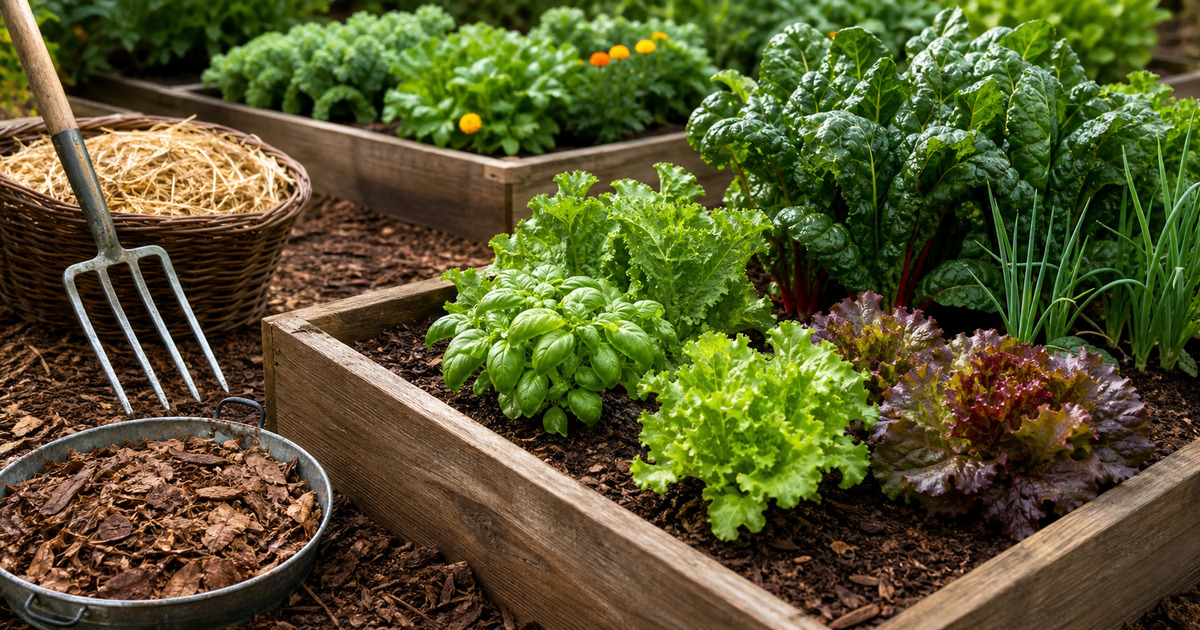
As water restrictions and drought conditions become more common in many regions, xeriscaping — landscaping designed to reduce or eliminate the need for irrigation — has moved from a niche practice to a mainstream approach to sustainable gardening. Done well, a water-wise garden is not a barren gravel yard; it can be lush, colorful, and full of life.
What Is Xeriscaping?
Xeriscaping is a landscaping approach built around seven core principles: thoughtful planning and design, soil improvement, efficient irrigation, practical turf areas, appropriate mulching, low-water plant selection, and ongoing maintenance suited to water conservation. The goal is a landscape that thrives with minimal supplemental watering once established.
Core Principles of Water-Wise Design
- Group plants by water needs (hydrozoning) so thirsty plants aren't watered alongside drought-tolerant ones.
- Reduce turf area, since traditional lawns are among the most water-intensive elements of a typical landscape.
- Improve soil with compost to increase water retention and reduce runoff.
- Use efficient irrigation, like drip systems, that deliver water directly to roots with minimal evaporation loss.
- Mulch generously — 2–4 inches of mulch dramatically reduces surface evaporation.
- Choose drought-tolerant and native plants suited to your specific climate.
Drought-Tolerant Plant Categories
| Category | Examples |
|---|---|
| Succulents | Sedum, agave, sempervivum |
| Ornamental grasses | Blue fescue, feather reed grass |
| Perennials | Lavender, coneflower, yarrow, Russian sage |
| Shrubs | Rosemary, juniper, manzanita |
| Groundcovers | Creeping thyme, ice plant |
Mulching for Water Conservation
Organic mulches like shredded bark or straw reduce evaporation, moderate soil temperature, and suppress weeds that compete for water. Inorganic mulches like gravel work well around succulents and drought-adapted plants that prefer drier root zones, but they don't improve soil over time the way organic mulch does.
Efficient Irrigation Strategies
- Drip irrigation delivers water directly to root zones, cutting water waste from evaporation and runoff compared to sprinklers.
- Smart irrigation controllers adjust watering schedules based on weather data, reducing unnecessary watering after rain.
- Deep, infrequent watering trains roots to grow deeper, making plants more drought-resilient over time.
Common Xeriscaping Misconceptions
Xeriscaping doesn't mean an all-gravel, plant-free yard — a well-designed water-wise garden can include a wide variety of colorful, textured plants, just selected and grouped according to their actual water needs. It also doesn't mean zero water use, just significantly reduced and more efficient use.
Key Takeaways
- Xeriscaping groups plants by water needs and reduces reliance on turf and inefficient irrigation.
- Mulch and improved soil structure are two of the most effective, low-cost water conservation tools.
- Drip irrigation and smart controllers cut water waste far more than manual sprinkler systems.
- A water-wise garden can be lush and colorful — it doesn't have to mean an all-gravel landscape.
FAQ
Is xeriscaping only for hot, dry climates? No — water-wise principles like efficient irrigation, mulching, and plant grouping by water needs benefit gardens in any climate, even those with regular rainfall.
Do drought-tolerant plants need any watering at all? Most need regular watering during their first one to two growing seasons to establish deep root systems; after that, many require little to no supplemental irrigation.
How much can xeriscaping actually reduce water use? Well-designed xeriscapes commonly reduce outdoor water use by 50% or more compared to conventional lawn-heavy landscaping, depending on plant choices and climate.
Can I xeriscape gradually instead of all at once? Yes — many gardeners convert lawn areas to water-wise plantings in phases, starting with the highest-water-use or hardest-to-maintain sections first.
Suggested Related Articles
- Raised Bed Gardening: Complete Setup Guide for Beginners
- Why Native Plants Matter: Building a Biodiversity-Friendly Garden
- Smart Gardening for Beginners: How AI Tools and Sensors Are Changing Home Growing in 2026
- Understanding Soil pH: Why It Matters and How to Test It
Internal Linking Suggestions
- Link "native plants" to the native plants and biodiversity article
- Link "smart irrigation controllers" to the smart gardening for beginners article
- Link "improve soil" to the soil pH testing guide
AI Image Generation Prompt
A beautifully designed drought-tolerant garden bed with lavender, ornamental grasses, and sedum planted among decorative gravel mulch, warm golden-hour sunlight, a drip irrigation line subtly visible near the plant bases, photorealistic, vibrant yet water-wise landscaping aesthetic, shallow depth of field, editorial landscape-design magazine style with negative space at the top for text overlay. Do not include any text, logos, or watermarks.
Disclaimer
This article offers general guidance. Suitable drought-tolerant plants and water-wise techniques vary significantly by climate and region — adapt these recommendations to your local growing conditions and any regional water-use regulations.