How to Start a Vegetable Garden: The Complete Beginner's Guide
August 1, 2026
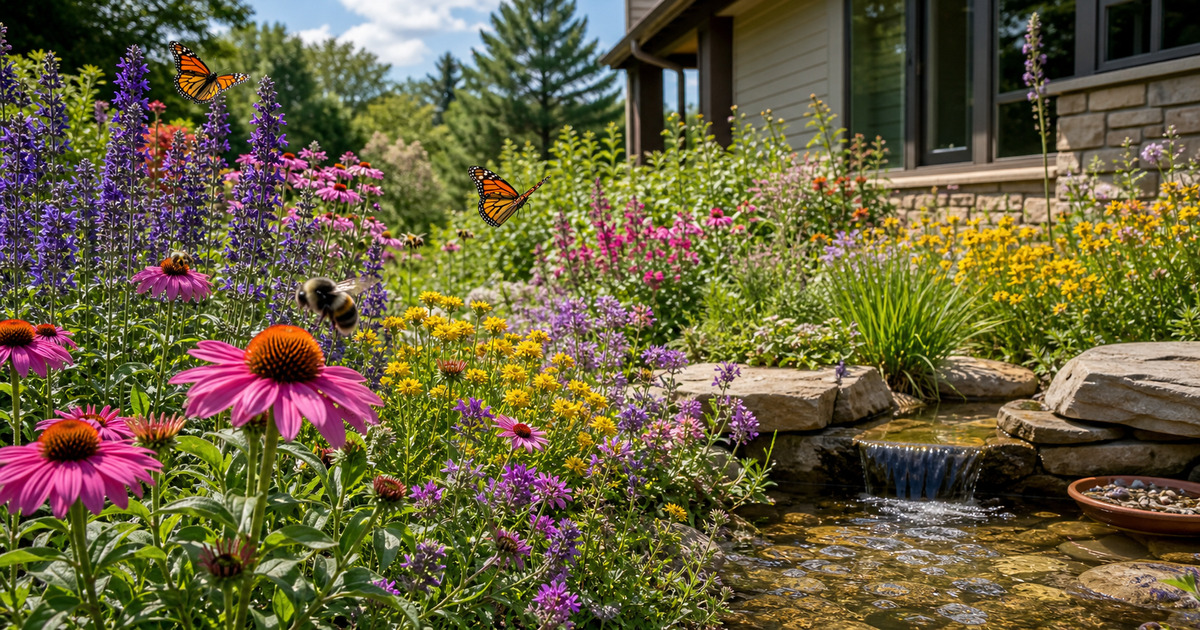
Starting a vegetable garden is one of the most rewarding projects a home gardener can take on — fresh produce, lower grocery bills, and a hands-on connection to your food. It's also easy to get overwhelmed by conflicting advice. This guide breaks the process into clear, practical steps so your first season sets you up for success rather than frustration.
Choosing the Right Site
Most vegetables need 6–8 hours of direct sunlight per day. Before buying a single seed, spend a day observing your yard or balcony and note which areas get consistent sun. Avoid low spots that collect standing water, and stay a few feet away from tree roots and building foundations that compete for nutrients and moisture.
Deciding Between In-Ground, Raised Beds, and Containers
| Method | Best For | Pros | Cons |
|---|---|---|---|
| In-ground | Large yards with good soil | Low cost, no space limit | Harder to control soil quality |
| Raised beds | Poor native soil, back-friendly gardening | Better drainage, warms up faster in spring | Higher upfront cost |
| Containers | Balconies, patios, renters | Fully portable, no digging | Needs frequent watering |
Preparing the Soil
Healthy soil is the foundation of a productive vegetable garden. Test your soil's pH and nutrient levels with an inexpensive home kit or a local extension office test — most vegetables prefer a pH between 6.0 and 6.8. Work in 2–3 inches of compost before planting to improve structure and fertility regardless of which growing method you choose.
Easy Vegetables for First-Time Gardeners
- Lettuce and leafy greens — fast-growing, forgiving of minor mistakes
- Radishes — ready to harvest in as little as 25 days
- Bush beans — productive without needing a trellis
- Zucchini and summer squash — high yield per plant
- Cherry tomatoes — more forgiving than large slicing varieties
- Herbs like basil and mint — grow well in containers alongside vegetables
Planning Around Your Growing Season
Check your USDA hardiness zone (or regional equivalent) and your area's average last spring frost date before planting anything outdoors. Cool-season crops like lettuce, peas, and spinach tolerate light frost and can go in a few weeks before that date; warm-season crops like tomatoes, peppers, and squash should wait until it has safely passed.
Watering and Maintenance Basics
- Water deeply and less frequently rather than a little every day — this encourages deeper, more resilient root systems.
- Mulch around plants with straw or shredded leaves to retain moisture and suppress weeds.
- Check soil moisture by inserting a finger 1–2 inches deep; water when it feels dry at that depth.
- Weed regularly while weeds are small — they compete with vegetables for water and nutrients.
Common Beginner Mistakes
- Planting too much too soon, leading to an unmanageable garden
- Ignoring sunlight requirements and placing sun-loving crops in shade
- Overwatering, which is just as harmful as underwatering
- Skipping soil preparation and expecting good yields from poor soil
Key Takeaways
- Six or more hours of direct sun is the single most important site requirement.
- Raised beds and containers are excellent options when native soil is poor.
- Start small with easy, fast-growing crops before expanding.
- Always plant according to your local frost dates and hardiness zone.
FAQ
How much space do I need to start a vegetable garden? A 4x8-foot raised bed or a few large containers is enough to grow a meaningful variety of vegetables for a beginner.
What's the easiest vegetable to grow for beginners? Leafy greens like lettuce and loose-leaf spinach are among the easiest — they germinate quickly and tolerate minor care mistakes.
Do I need to till the soil before planting? Not necessarily. Raised beds and no-till methods that layer compost on top of existing soil work well and preserve soil structure.
How often should I water a new vegetable garden? Most vegetable gardens need about 1 inch of water per week, adjusted for rainfall, heat, and your specific soil type.
Suggested Related Articles
- Raised Bed Gardening: Complete Setup Guide for Beginners
- Understanding Soil pH: Why It Matters and How to Test It
- Companion Planting Guide: What to Grow Together (and What to Avoid)
- Composting 101: Turn Kitchen Scraps Into Garden Gold
- Organic Pest Control: Natural Solutions for Common Garden Pests
Internal Linking Suggestions
- Link "raised beds" to the raised bed gardening setup guide
- Link "soil's pH" to the soil pH testing article
- Link "companion planting" to the companion planting guide
- Link "mulch" to a future mulching best-practices article
AI Image Generation Prompt
A sunny backyard vegetable garden with neat rows of lettuce, tomatoes on stakes, and bush beans, a pair of gloved hands gently patting soil around a young seedling in the foreground, warm late-morning light, photorealistic, shallow depth of field, editorial gardening-magazine style, rule of thirds composition with negative space at the top for text overlay. Do not include any text, logos, or watermarks.
Disclaimer
This article offers general guidance. Gardening results depend on your local climate, soil conditions, sunlight, and plant varieties — adapt these recommendations to your own growing environment and consult a local extension office when possible.