Raised Bed Gardening: Complete Setup Guide for Beginners
August 25, 2026
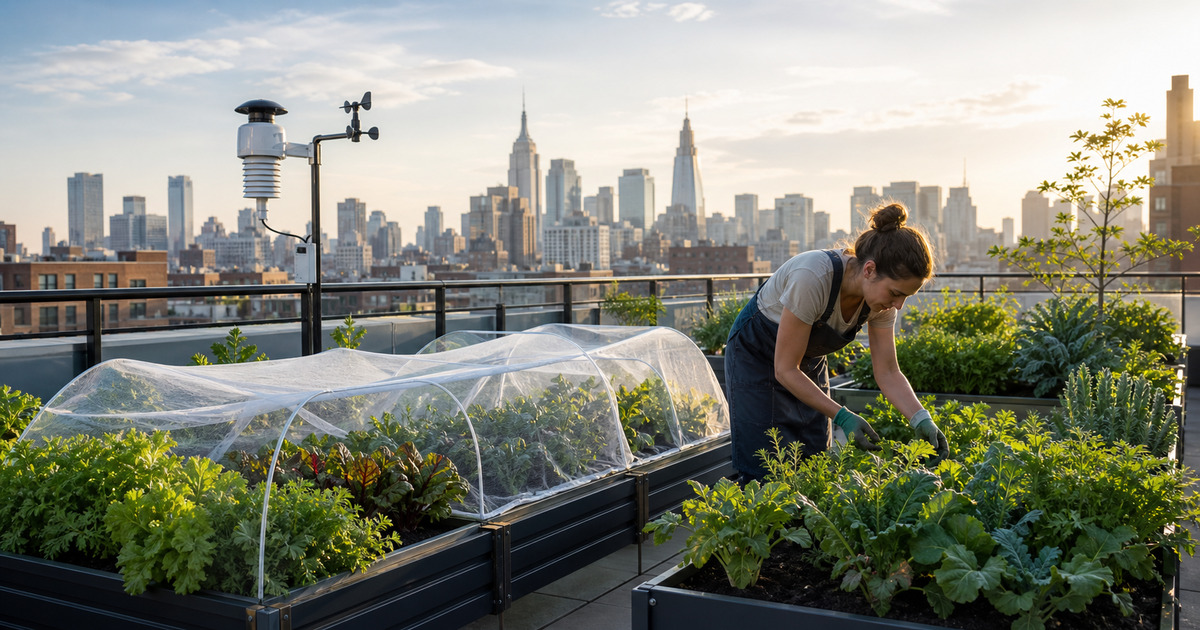
Raised bed gardening has become one of the most popular growing methods for home gardeners, and for good reason: it offers better soil control, easier maintenance, and a cleaner, more organized layout than traditional in-ground gardens. This guide covers everything needed to plan and build your first raised bed.
Why Choose a Raised Bed?
Raised beds let you bypass poor native soil entirely by filling the bed with a custom growing mix. They also warm up faster in spring, drain better, and reduce bending and kneeling, making them a popular choice for gardeners with mobility concerns.
Raised Beds vs. In-Ground Gardening
| Factor | Raised Bed | In-Ground |
|---|---|---|
| Soil quality | Fully controlled | Dependent on native soil |
| Drainage | Generally excellent | Varies by site |
| Upfront cost | Higher (materials + soil) | Lower |
| Warm-up speed in spring | Faster | Slower |
| Accessibility | Easier on the back and knees | Requires more bending |
Choosing Materials and Size
Untreated cedar, redwood, or composite lumber are popular choices because they resist rot without leaching chemicals into the soil. Avoid older pressure-treated lumber, which historically contained arsenic compounds (modern treated lumber is generally considered safer, but many gardeners still prefer untreated wood for food crops).
Recommended sizing: Keep beds no wider than 4 feet so you can reach the center from either side without stepping on the soil, which compacts it. A depth of 8–12 inches is sufficient for most vegetables; deep-rooted crops benefit from 12–18 inches.
Filling Your Raised Bed
A reliable base mix is roughly:
- 50–60% high-quality topsoil
- 30–40% compost
- 10% aeration material like perlite or coarse sand
This blend provides good drainage, nutrient density, and structure without becoming compacted over time.
Step-by-Step Setup
- Choose a level site with at least 6 hours of daily sun.
- Assemble or install the bed frame directly on the ground (no need to remove grass first — a layer of cardboard underneath helps suppress it).
- Fill with your soil and compost blend, watering as you go to help it settle.
- Let the bed settle for a few days before planting.
- Add a layer of mulch after planting to retain moisture and suppress weeds.
Maintenance Tips
- Top off soil each season, since organic material breaks down and compost settles over time.
- Rotate crop families year to year to reduce pest and disease buildup.
- Install drip irrigation or soaker hoses for consistent watering with minimal effort.
Key Takeaways
- Raised beds offer full control over soil quality, better drainage, and easier maintenance than in-ground gardens.
- Keep beds no wider than 4 feet for easy access from both sides.
- A mix of topsoil, compost, and aeration material creates a strong growing base.
- Top off soil annually as organic matter breaks down and settles.
FAQ
How deep should a raised bed be? 8–12 inches works for most vegetables, though root crops and larger plants benefit from 12–18 inches of depth.
Do I need to remove the grass before building a raised bed? No — placing cardboard or newspaper down before filling the bed will smother existing grass without digging it out.
What's the cheapest way to fill a raised bed? Using the "hugelkultur" method — layering logs, branches, and yard debris at the base before topping with soil — reduces the amount of purchased soil needed.
How long do raised beds last? Untreated cedar beds typically last 8–10 years; composite or metal beds can last significantly longer.
Suggested Related Articles
- How to Start a Vegetable Garden: The Complete Beginner's Guide
- Composting 101: Turn Kitchen Scraps Into Garden Gold
- Understanding Soil pH: Why It Matters and How to Test It
- Water-Wise Gardening: Xeriscaping and Drought-Tolerant Design
Internal Linking Suggestions
- Link "compost" to the composting 101 guide
- Link "drip irrigation" to a future drip irrigation setup tutorial
- Link "soil quality" to the soil pH testing guide
AI Image Generation Prompt
A neat cedar raised garden bed filled with thriving vegetables — lettuce, carrots, and tomato seedlings — in a backyard setting, a watering can resting beside the bed, warm late-afternoon light, photorealistic, clean and organized composition, shallow depth of field, editorial gardening-magazine style with negative space at the top for text overlay. Do not include any text, logos, or watermarks.
Disclaimer
This article offers general guidance. Ideal raised bed materials, sizing, and soil mixes vary by climate, budget, and local availability — adapt these recommendations to your own situation.