Pollinator Gardens 101: Attracting Bees, Butterflies, and Birds
August 19, 2026
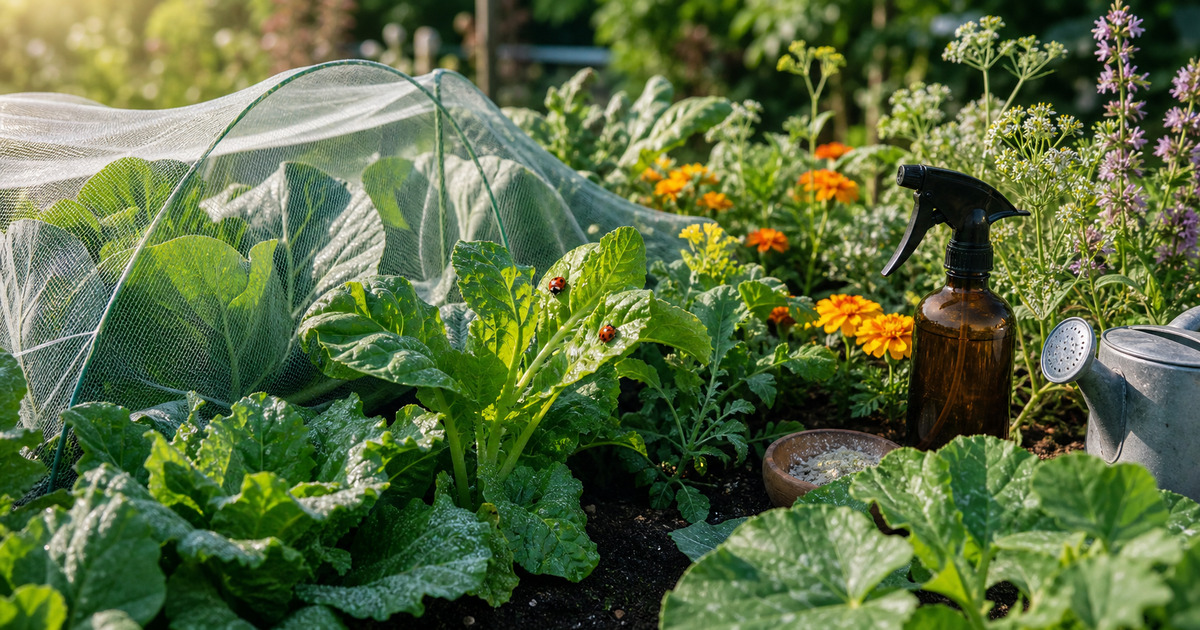
Pollinators — bees, butterflies, moths, and hummingbirds — are responsible for roughly one in three bites of food we eat, yet habitat loss has put many pollinator populations under pressure. A home pollinator garden is one of the most direct ways gardeners can support local biodiversity while adding season-long color and movement to a landscape.
Why Pollinator Gardens Matter
Pollinators need consistent access to nectar, pollen, and host plants throughout the growing season, not just a single burst of blooms. A well-planned pollinator garden fills seasonal gaps and provides shelter, turning even a small yard into meaningful habitat.
Core Design Principles
- Plant in clusters, not single specimens — pollinators forage more efficiently on grouped blooms.
- Choose a range of bloom times so something is flowering from early spring through fall.
- Include native plants — many pollinators are specialized to co-evolved native species.
- Avoid pesticides, especially systemic insecticides, which can harm pollinators even in small doses.
- Provide water, such as a shallow dish with stones for landing.
Plant Choices by Bloom Season
| Season | Example Plants |
|---|---|
| Early spring | Crocus, redbud, wild columbine |
| Late spring | Salvia, catmint, lupine |
| Summer | Coneflower, bee balm, milkweed, zinnia |
| Fall | Aster, goldenrod, sedum |
Attracting Specific Pollinators
For bees: Choose blue, purple, and yellow flowers with easy landing platforms, like coneflower and catmint. For butterflies: Include host plants for caterpillars (like milkweed for monarchs) alongside nectar sources. For hummingbirds: Tubular, red or orange flowers such as salvia and trumpet vine are especially effective.
Common Mistakes in Pollinator Gardening
- Using pesticide-treated plants from big-box nurseries, which can harm the very pollinators the garden is meant to attract
- Choosing only showy hybrid flowers that produce little usable pollen or nectar
- Planting a single bloom season instead of a spread across spring, summer, and fall
- Removing all "messy" plant debris in fall, which eliminates overwintering habitat for native bees and butterflies
Key Takeaways
- Pollinator gardens should offer continuous blooms from early spring through fall, not just a single season.
- Native plants generally support pollinators more effectively than ornamental hybrids.
- Avoiding pesticides is one of the highest-impact choices a gardener can make for pollinator health.
- Leaving some plant debris over winter provides critical shelter for native bee and butterfly species.
FAQ
Do I need a large yard for a pollinator garden? No — even a few containers or a small border with the right plant choices can meaningfully support local pollinators.
Are native plants necessary, or will any flowering plant work? Non-native flowers can offer some nectar, but native plants generally support a wider range of pollinators, including specialist species with co-evolved relationships to specific natives.
Is it safe to use pesticides in a pollinator garden? Pesticides, particularly systemic insecticides, should be avoided or used with extreme caution, since they can harm pollinators through pollen and nectar even after visible spraying has stopped.
What is a host plant, and why does it matter? A host plant is one that caterpillars feed on to develop into butterflies or moths — without host plants like milkweed for monarchs, adult butterflies have nowhere to lay eggs.
Suggested Related Articles
- Why Native Plants Matter: Building a Biodiversity-Friendly Garden
- Organic Pest Control: Natural Solutions for Common Garden Pests
- Companion Planting Guide: What to Grow Together (and What to Avoid)
- Water-Wise Gardening: Xeriscaping and Drought-Tolerant Design
Internal Linking Suggestions
- Link "native plants" to the native plants and biodiversity article
- Link "pesticides" to the organic pest control guide
- Link "companion planting" to the companion planting guide
AI Image Generation Prompt
A lush pollinator garden border with purple coneflowers, orange milkweed, and bee balm in full bloom, a honeybee mid-flight approaching a flower and a monarch butterfly resting on a coneflower, soft afternoon light, photorealistic, vibrant natural colors, shallow depth of field, editorial nature-magazine style with negative space at the top for text overlay. Do not include any text, logos, or watermarks.
Disclaimer
This article offers general guidance. Effective pollinator plant choices vary by region and local pollinator species — research plants native to your specific area for the greatest ecological benefit.