Why Native Plants Matter: Building a Biodiversity-Friendly Garden
August 11, 2026
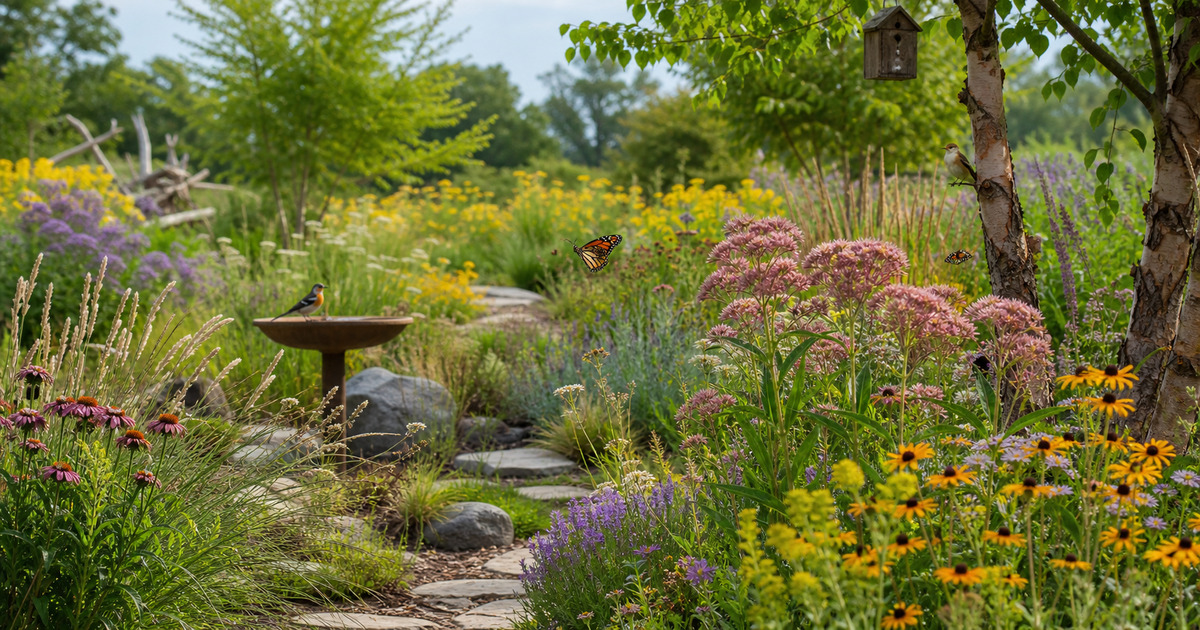
Native plants — species that evolved in a specific region over thousands of years — form the foundation of local food webs in ways that introduced ornamental species often can't replicate. As biodiversity loss accelerates globally, home gardens planted with native species have become a meaningful, accessible way for individuals to support local ecosystems.
What Makes a Plant "Native"?
A native plant is one that occurs naturally in a region without human introduction, having evolved alongside the local climate, soil, wildlife, and insect populations over a long period of time. This is distinct from "naturalized" plants, which are non-native species that have spread and persist in the wild but didn't co-evolve with local wildlife.
Why Native Plants Support Biodiversity Better
Many insects, especially caterpillars, are specialists that can only eat the leaves of specific native plant species — research on oak trees, for example, has shown they can support hundreds of caterpillar species, while many popular ornamental exotics support very few or none. Since caterpillars are a primary food source for baby birds, this specialist relationship ripples up through the entire local food web.
Native Plants vs. Ornamental Exotics
| Factor | Native Plants | Ornamental Exotics |
|---|---|---|
| Water needs (once established) | Typically lower | Often higher |
| Pest/disease resistance | Generally higher (co-evolved) | Variable, sometimes lower |
| Support for local insects/birds | High | Often low |
| Maintenance | Generally lower | Often higher |
| Invasive potential | Low | Some species carry risk |
How to Start Incorporating Native Plants
- Research your specific ecoregion rather than a broad state or country-level list, since native ranges can vary significantly within a single state.
- Start with a border or section rather than replacing an entire landscape at once.
- Choose straight species over cultivars when possible, since some highly bred cultivars offer reduced pollen, nectar, or leaf palatability compared to the wild species.
- Group natives by light and water needs, just as you would with any other planting plan.
Common Native Plant Categories
- Pollinator-supporting perennials: coneflower, milkweed, native asters
- Native grasses: little bluestem, switchgrass
- Native shrubs: serviceberry, elderberry, native viburnum
- Native trees: oak, native maple, redbud (species vary significantly by region)
Addressing Common Concerns
"Native gardens look messy." A well-designed native garden can be just as structured and intentional as any traditional landscape — using clean edges, defined borders, and a mix of heights creates a polished look while still supporting biodiversity.
"Natives are hard to find at nurseries." Native plant sales through local conservation organizations, botanical gardens, and specialty native nurseries are increasingly common and often more reliable sources than big-box garden centers.
Key Takeaways
- Native plants support local insect and bird populations far more effectively than most non-native ornamentals.
- Specialist insect-plant relationships, like caterpillars tied to specific native trees, make some natives disproportionately valuable for biodiversity.
- Research your specific regional ecosystem rather than relying on broad national lists.
- A native garden can be just as intentional and attractive as a conventional landscape design.
FAQ
Are native plants always low-maintenance? Generally yes once established, since they're adapted to local rainfall and soil, but they still need appropriate site selection and some care during their first one to two seasons.
Can native and non-native plants coexist in the same garden? Yes — many gardeners blend both, prioritizing natives in key areas (especially for pollinator and bird support) while keeping some non-invasive ornamentals elsewhere.
How do I find out which plants are native to my area? Regional native plant societies, university extension offices, and botanical databases specific to your ecoregion are more reliable than generic national plant lists.
Are all non-native plants invasive? No — "non-native" and "invasive" are different categories. Many non-native plants are well-behaved in gardens; invasive species specifically spread aggressively and displace native ecosystems.
Suggested Related Articles
- Pollinator Gardens 101: Attracting Bees, Butterflies, and Birds
- Water-Wise Gardening: Xeriscaping and Drought-Tolerant Design
- Food Forests Explained: Designing a Self-Sustaining Edible Landscape
- Gardening Myths vs Facts: 10 Common Beliefs Debunked
Internal Linking Suggestions
- Link "pollinator" to the pollinator garden guide
- Link "xeriscaping" to the water-wise gardening guide
- Link "food forest" to the food forests explained article
AI Image Generation Prompt
A naturalistic native plant garden border with purple coneflower, orange butterfly weed, and native grasses swaying in soft breeze, a goldfinch perched on a seed head, warm late-summer light, photorealistic, rich natural colors, shallow depth of field, editorial nature-magazine style with negative space at the top for text overlay. Do not include any text, logos, or watermarks.
Disclaimer
This article offers general guidance. Native plant species and their ecological benefits vary significantly by region — research plants native to your specific local ecoregion for the most accurate recommendations.