Gardening Myths vs Facts: 10 Common Beliefs Debunked
July 22, 2026
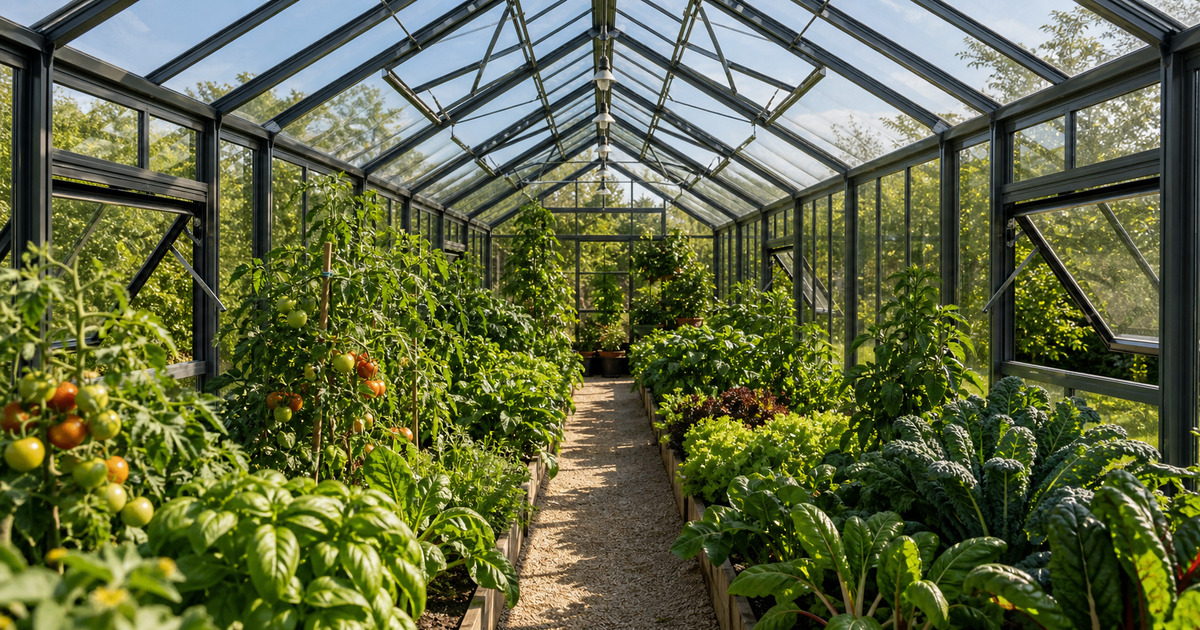
Gardening advice gets passed down through generations, forums, and social media, and not all of it holds up to scrutiny. Some long-held beliefs are outdated, oversimplified, or based on anecdote rather than plant science. Here are ten of the most common gardening myths, and what's actually true.
Myth 1: Adding Gravel to Pot Bottoms Improves Drainage
Fact: Research from horticulture programs has shown that a layer of gravel at the bottom of a container actually raises the water table within the soil above it, creating a perched saturation zone rather than improving drainage. A well-draining potting mix and adequate drainage holes matter far more than a gravel layer.
Myth 2: Watering Plants in Direct Sunlight Burns the Leaves
Fact: Water droplets on leaves in sunlight do not act as magnifying lenses strong enough to cause burns under normal garden conditions. The bigger issue with midday watering is inefficiency — more water is lost to evaporation, not leaf damage.
Myth 3: You Should Add Sugar to Cut Flower Water
Fact: This one has some truth: a small amount of sugar can provide energy to cut flowers, but it also encourages bacterial growth, which shortens vase life unless paired with an antibacterial agent like a few drops of bleach or commercial flower food.
Myth 4: Talking to Plants Helps Them Grow
Fact: While no evidence shows plants respond to language or meaning, some studies suggest sound vibrations at certain frequencies may influence plant growth slightly — though the effect, if real, likely has nothing to do with the "talking" itself.
Myth 5: Coffee Grounds Are a Great All-Purpose Fertilizer
Fact: Fresh coffee grounds are more acidic and can actually inhibit growth in some plants if overused; composted coffee grounds are more balanced and useful as a soil amendment in moderation rather than a direct fertilizer substitute.
Myth 6: Pruning Always Stresses Plants
Fact: Properly timed pruning, done at the right time of year for a given species, generally promotes healthier growth, better structure, and improved flowering or fruiting rather than causing harm.
Myth 7: More Fertilizer Means Faster Growth
Fact: Over-fertilizing can burn roots, disrupt soil microbiology, and cause excessive leafy growth at the expense of flowers or fruit. Following label rates — or testing soil first — produces better results than "more is better" application.
Myth 8: Native Plants Don't Need Any Care
Fact: Native plants are typically better adapted to local conditions and often need less maintenance once established, but they still require appropriate site selection, watering during establishment, and occasional care, especially in the first year.
Myth 9: Eggshells Instantly Fix Calcium-Deficient Soil
Fact: Whole or roughly crushed eggshells break down very slowly — often over a year or more — so they're not a fast fix for issues like blossom end rot in tomatoes, which is more directly related to inconsistent watering than a lack of calcium.
Myth 10: You Should Water Plants Every Day
Fact: Most established garden plants do better with deep, less frequent watering, which encourages deeper root growth, rather than shallow daily watering, which can promote weak surface roots and increase disease risk.
Key Takeaways
- Gravel at the bottom of pots doesn't improve drainage — it can make it worse by raising the perched water table.
- Sunlight does not cause water droplets to burn leaves; the concern with midday watering is efficiency, not damage.
- Fresh coffee grounds and crushed eggshells are far less useful as quick soil amendments than commonly believed.
- Deep, infrequent watering generally outperforms daily light watering for most established plants.
FAQ
Is any gardening folklore actually reliable? Yes — many traditional practices, like companion planting with legumes for nitrogen fixation or fall bulb planting, are well supported by plant science, even if the original reasoning wasn't always scientifically framed.
Why do gardening myths persist despite being debunked? Many myths contain a partial truth or worked under specific conditions, making them believable and easy to pass along even after horticultural research has refined the full picture.
How can I tell gardening fact from myth? Look for advice backed by university extension offices, horticultural research, or controlled studies, and be cautious of tips that sound like simple fixes for complex plant biology.
Does the moon phase actually affect planting success? Scientific evidence for lunar planting calendars affecting plant growth is limited and inconsistent; most gardening success comes down to soil, light, water, and timing relative to frost dates rather than moon phase.
Suggested Related Articles
- Understanding Soil pH: Why It Matters and How to Test It
- How to Start a Vegetable Garden: The Complete Beginner's Guide
- Composting 101: Turn Kitchen Scraps Into Garden Gold
- Why Native Plants Matter: Building a Biodiversity-Friendly Garden
Internal Linking Suggestions
- Link "soil first" to the soil pH testing guide
- Link "native plants" to the native plants and biodiversity article
- Link "blossom end rot" to a future tomato troubleshooting guide
AI Image Generation Prompt
A split-composition editorial illustration-style photograph: on one side a gardener incorrectly layering gravel into a pot, on the other side correctly using a well-draining potting mix, clean bright studio-style garden setting, photorealistic, educational infographic feel without any actual text, shallow depth of field, negative space at the top for text overlay. Do not include any text, logos, or watermarks.
Disclaimer
This article offers general, evidence-informed guidance. Individual results can vary by plant species, climate, and growing conditions — always adapt recommendations to your specific environment.