How to Create a Backyard Habitat for Native Bees
July 22, 2026
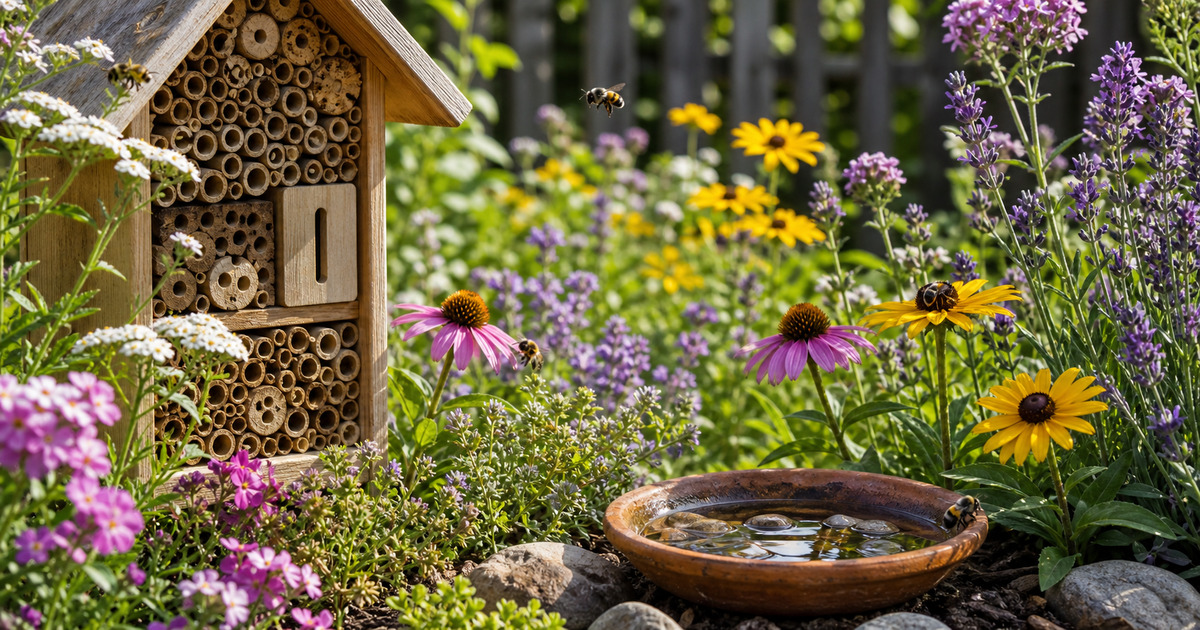
Provide pesticide-free flowers, bare or sandy nesting areas, hollow stems, shallow water, and shelter. A diverse habitat supports many solitary bee species, not just honey bees. This guide is designed for homeowners, renters, and community gardeners who want practical results without unnecessary complexity.
Key Takeaways
- Begin with local conditions: light, climate, soil, drainage, and available space.
- Build a repeatable routine around observation rather than a rigid calendar.
- Use the simplest method that meets the crop’s needs, then improve it gradually.
- Record what worked so next season’s decisions are easier and more accurate.
What to Consider Before You Begin
The right approach depends on your growing zone, season length, exposure, and soil moisture. In Canada, short growing seasons often make timing, season extension, and frost protection especially important. In warmer USDA zones, heat, irrigation, and disease pressure may matter more. Check local extension guidance before committing to a variety or treatment.
| Factor | What to check | Why it matters |
|---|---|---|
| Light | Hours of direct sun and seasonal shade | Determines plant choice and yield |
| Water | Drainage, access, and summer demand | Prevents drought stress and root problems |
| Soil or media | Texture, pH, organic matter, contamination risk | Controls root health and nutrient availability |
| Space | Mature size and access for maintenance | Avoids crowding and difficult harvesting |
A Practical Step-by-Step Method
- Observe the site. Note sunlight, wind, drainage, nearby trees, and any history of chemicals or flooding.
- Choose suitable plants or materials. Prefer locally adapted varieties and avoid buying more equipment than the project requires.
- Prepare the growing area. Improve drainage or soil structure where needed, but avoid working wet soil because it can compact easily.
- Install and start carefully. Follow planting depth, spacing, watering, and temperature guidance for the specific crop.
- Monitor weekly. Look at new growth, soil moisture, pests, disease symptoms, and weather changes.
- Adjust one variable at a time. Change watering, light, spacing, or feeding gradually so you can identify what helped.
Common Mistakes
- Following a generic watering calendar when the weather and soil have changed.
- Crowding plants, which reduces airflow and increases disease pressure.
- Adding fertilizer without a soil test or label-based calculation.
- Ignoring drainage because the surface appears dry.
- Choosing plants for appearance alone rather than mature size and climate fit.
Maintenance Checklist
- Check moisture below the surface before watering.
- Remove damaged or diseased material promptly and dispose of it appropriately.
- Keep paths, tools, and irrigation outlets accessible.
- Refresh mulch as it breaks down, leaving a small gap around stems.
- Photograph progress and record dates, varieties, and problems.
FAQ
What is the most important first step?
Understand the site. Light, drainage, and local climate usually determine success more than expensive products do.
How often should I check the garden?
A short weekly inspection is enough for most established beds. Check more often during heat waves, transplanting, or pest outbreaks.
Should beginners use organic products?
Organic does not automatically mean harmless or necessary. Choose products based on a confirmed need, follow the label, and prioritize cultural and physical controls.
Suggested Related Articles
- Composting 101: Turn Kitchen Scraps Into Garden Gold
- How to Improve Garden Soil Naturally
- Native Plants and Biodiversity: A Practical Garden Guide
- Smart Gardening for Beginners: AI Tools and Sensors
Internal Linking Suggestions
- Link “soil structure” to the soil pH and composting guides.
- Link “local climate” to the fall garden checklist and winter protection guide.
- Link “weekly inspection” to future pest and plant-disease troubleshooting articles.
AI Image Generation Prompt
Editorial gardening photograph showing a diverse, healthy home garden related to biodiversity, native bees, sustainable gardening, with a gardener observing plants and using simple tools, natural seasonal light, realistic textures, balanced composition, 1200×630 landscape framing, negative space for a headline, no readable text, logos, or watermarks.
Disclaimer
Gardening advice depends on local climate, soil conditions, growing conditions, regulations, and plant varieties. Adapt these recommendations to your own environment and consult local horticultural guidance where appropriate.